Quick answer
The alterations always worth paying for are hems, sleeve shortening from the cuff, side-seam taking-in, and waist adjustments — they're quick, low-risk, and typically cost $10-60. Skip narrowing shoulders, major resizing (more than two sizes), and altering bias-cut silk — these are expensive, often look wrong, and can ruin the garment's drape.
Introduction
There's a particular kind of regret that comes from buying a beautiful coat, loving it in the dressing room, and then never wearing it because the sleeves sit half an inch too long. There's an equally specific regret in paying $140 to have a blazer's shoulders narrowed, only to watch the garment lose the structure that made you buy it in the first place. Alterations are one of the few remaining levers a woman has to make her wardrobe actually fit her — but not every alteration is worth the receipt.
This guide breaks alterations into three tiers: always worth it, conditionally worth it, and rarely worth it. It includes 2025 pricing across budget, independent, and luxury tailors, a simple rule of thumb for weighing alteration cost against what a garment actually earns you in cost-per-wear, and a checklist to run before you buy anything that might need work. If you've ever searched "clothing alterations worth paying for Reddit" at 11pm trying to decide whether to spend $65 on a $90 coat, this is the long answer.
The Three Tiers of Alterations
Tier 1: Always Worth It
These are structural, low-risk, and almost always improve how a garment fits and moves. A good tailor near me search will turn up someone who can do all four of these well.
Hemming (trousers, skirts, dresses) This is the single most common alteration and, when done with a proper blind hem, nearly invisible. Budget tailors and dry cleaners: $10-20. Independent tailors: $20-40. Luxury ateliers (the kind who hand-finish a cashmere coat hem): $45-85. The range exists because of technique — a machine-stitched hem on cheap polyester takes ten minutes; a hand-rolled hem on silk chiffon takes an hour.
Sleeve shortening from the cuff If a shirt, blouse, or jacket sleeve just needs length removed at the cuff (not the shoulder), this is simple and cheap. Budget: $12-20. Independent: $20-35. Luxury: $35-60, more if the cuff has buttons or monogramming to reset.
Side-seam taking-in Bringing in the side seams of a blazer, dress, or trousers is one of the most transformative alterations available, because it's what actually makes a garment look made for you rather than borrowed. Budget: $15-25 per garment. Independent: $25-50. Luxury: $50-95, more for lined pieces.
Waist adjustment (trousers and skirts) Taking in or letting out a waistband is routine work for any competent tailor. Budget: $10-20. Independent: $20-35. Luxury: $35-60.
Tier 2: Conditionally Worth It
These can be excellent investments or a waste of money, depending entirely on the garment and your tailor's skill.
Sleeve shortening from the shoulder Worth it only on a genuinely expensive, well-made jacket or coat where the proportions are otherwise perfect but the sleeve pitch is off. This requires removing and resetting the sleeve, which is skilled, slow work. Independent tailors: $45-80 per sleeve. Luxury ateliers: $85-150 per sleeve. On a $150 jacket, this rarely pencils out. On a $900 wool coat you'll wear for a decade, it often does.
Shortening a coat body This changes the coat's proportions, not just its hem, and should only be done by someone experienced with outerwear, since pockets, vents, and lining all have to be recalculated. Independent: $60-120. Luxury: $120-220. This is a classic case where the travel capsule wardrobe packing list matters — a well-proportioned coat earns its keep across far more trips than one that's merely "fine."
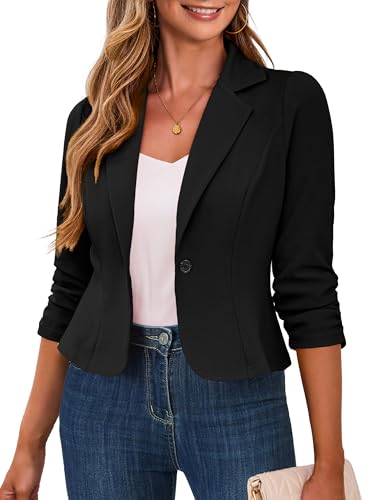
Tapering a lined jacket or blazer More involved than a simple side-seam take-in because the lining has to be opened, adjusted, and resewn. Independent: $40-70. Luxury: $70-130. Worth it on a quiet-luxury blazer with good bones; rarely worth it on a fast-fashion jacket with cheap lining that will pucker no matter what's done to the shell.
Tier 3: Rarely or Never Worth It
This is the list most articles skip, and it's the one that saves you the most money.
Narrowing shoulders on a structured jacket. Shoulder seams carry the garment's entire architecture — sleeve, armhole, and drape all radiate from that point. Moving it even a centimeter usually requires rebuilding the armhole, which costs $150-300 at a serious tailor and still frequently looks altered. If the shoulders don't fit, the jacket doesn't fit. Move on.
Major resizing — more than two sizes in either direction. A tailor can comfortably take in or let out a garment one, sometimes two sizes. Beyond that, you're fighting the original pattern: darts, seams, and proportions were drawn for a different size, and no amount of stitching fully corrects that. If you're eyeing something two or more sizes off because it's on sale, the "savings" usually gets eaten by alteration costs and a worse result than sizing correctly from the start.
Altering bias-cut silk. Bias-cut fabric is cut diagonally to the grain specifically so it skims the body with no structure. Any seam you open on a bias garment can cause the whole piece to shift, stretch unevenly, or hang differently than before. Even excellent tailors will often tell you honestly that it's not worth the risk. If a bias silk slip dress doesn't fit as-is, it's not a good candidate for alteration.
Lengthening sleeves or hems without seam allowance. You cannot add fabric that was already cut away. If a garment is too short and the inside seam allowance is less than half an inch, no tailor can lengthen it invisibly — you'll see the fold line. Check this before you buy, not after.
Re-cutting armholes. Similar to shoulder narrowing: the armhole is a load-bearing part of the garment's structure, and changing its shape to fix a fit issue elsewhere almost always introduces a new one.
Moving pockets. Technically possible, rarely advisable. Pocket placement is tied to the pattern pieces beneath it, and relocating one disturbs the garment's drape in ways that are hard to fully repair.
The Rule of Thumb: Alteration Cost vs. Garment Cost and Cost-Per-Wear
Here's the framework that's missing from most advice on this topic: an alteration is worth it when its cost, divided by the number of additional wears it unlocks, stays below your garment's own cost-per-wear target. In plain terms — don't spend tailor money disproportionate to what the garment will actually earn you in your closet.
A simple guideline: if the alteration costs more than 20-25% of the garment's price, it needs to be either a Tier 1 alteration (low risk) or a piece you'll wear 50+ times a year.
Worked examples:
- Wool coat, $650, needs sleeves shortened from the shoulder ($120). That's about 18% of the garment price, and a well-fitted wool coat is worn 60-100 times a season for years. Worth it.
- Silk blouse, $85, bias-cut, doesn't quite fit through the shoulders ($90 quoted to alter). The alteration costs more than the blouse and touches bias fabric. Not worth it — return or resell it instead.
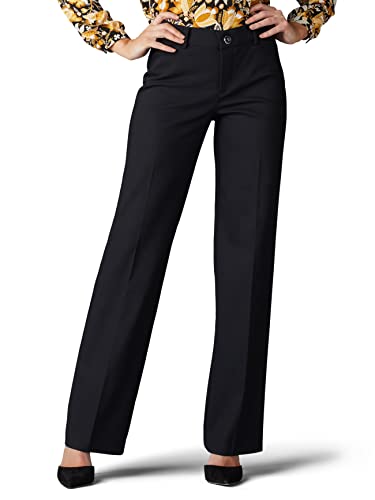
- Wide-leg trousers, $140, need a simple hem ($25). Roughly 18% of garment price, Tier 1 alteration, low risk. Always worth it.
- Blazer, $95 (fast fashion), shoulders too wide ($180 quoted). Nearly double the garment's price for a Tier 3 alteration. Skip it; the jacket was never going to be a ten-year piece anyway.
- Jeans, $220 designer denim, original hem needs preserving ($30-45 for a "original hem" tailor service that reattaches the factory hem after shortening). Worth it specifically because it preserves resale value and the worn, faded original hemline that separates good denim from altered-looking denim.
This is exactly the kind of math the 12-month cost-per-wear audit is built around — treating every piece, and every alteration, as an investment with a return rather than a one-off expense. The Her Capsule Edit guide takes this further with its Cost-Per-Wear Edit chapter, which walks through the math on an entire capsule wardrobe, not just single garments.
The Pre-Purchase "Can It Be Altered?" Checklist
Before you buy anything you suspect will need work, check:
- Seam allowance. Pinch the inside seam. If there's less than ½ inch of extra fabric, there's little room to let anything out or lengthen.
- Hem depth. A deep hem (1.5-2 inches) means a skirt or trousers can be lengthened later; a narrow, serged hem means you're stuck with the length as-is.
- Lining. Lined garments cost more to alter because the lining must be opened and resewn to match any change to the shell. A lined jacket taken in will cost roughly 30-50% more than an unlined one.
- Shoulder fit. Try the jacket on and check the shoulder seam sits exactly at your shoulder point. This is the one area you should never plan to alter — if it's wrong, the jacket is wrong.
- Fabric type. Structured fabrics (wool, cotton twill, cashmere blends) alter beautifully. Bias-cut silk, chiffon, and anything with a directional print or pattern-matching requirement are far less forgiving.
This checklist is also why the "buy a size up or down and alter it" question doesn't have one answer. Sizing up and taking in works well for structured pieces like blazers and wool coats. Sizing down and letting out rarely works, because most garments have minimal seam allowance built in. When in doubt, buy the size that fits your shoulders and ribcage, and plan to alter the rest.
Choosing a Tailor for Luxury Fabrics
Not every tailor who can hem trousers well should be trusted with cashmere, silk, or a structured wool coat. When you search "alterations near me" or ask for an "alterations price list near me," look specifically for a tailor who:
- Has visible experience with outerwear and lined garments, not just casualwear
- Can explain why an alteration will or won't work on your specific fabric, rather than just quoting a price
- Owns or has access to a steam press suited to natural fibers
- Offers a written quote before starting — luxury alteration work should come with an itemized alterations price list near me style estimate, not a verbal guess
It's worth noting that tailoring itself is a growing trade: demand for skilled tailors has risen alongside the shift toward buying fewer, better pieces, and median tailor pay in the US runs roughly $17-22 an hour, with experienced alterations specialists in major cities earning more. If you've ever wondered whether tailors are in demand or how to become a tailor, the honest answer is that it's a skilled trade with steady work — which is also why good tailoring isn't, and shouldn't be, bargain-bin cheap.
What Her Capsule Edit Adds
This article covers the decision-making framework. The Her Capsule Edit guide goes further for readers building out a full wardrobe strategy. It's a 37-page PDF, instant download, with lifetime updates included, organized into 12 chapters covering everything from the philosophy of a capsule wardrobe to a 30-day style reset. Relevant here specifically is The Tailor's Manifesto — a chapter dedicated to the six alterations that matter most and what they should cost, alongside 8 fully styled outfits for office, evening, and travel with every piece sourced and linked, a shopping edit across three budgets, the Boardroom Decoder for industry-specific dressing, and the Cost-Per-Wear Edit math referenced above.
Shopping List: Pieces Worth Altering
- TAILORED DOUBLE-FACED WOOL LONG COAT - NAVY
- Buy Stretch-Silk Button-Front Blouse for USD 398.00
- Wide Leg Trouser in Seasonless Wool
- 100% European Linen Structured Blazer
- Stretchy Straight Leg Jeans for Women Pull On High ...
- The Original Cashmere Sweater Women
- Ankle Boot in Smooth Leather
FAQ
Are cheap clothing alterations worth paying for? Sometimes. A $12 hem from a budget tailor is fine for casual pieces, but structural work — taking in a lined jacket, shortening a coat — is worth paying more for because poor technique on complex garments is hard to reverse.
What do people on Reddit say about clothing alterations worth paying for? Threads on the topic consistently agree on hems, waist adjustments, and taking in side seams as safe bets, and consistently warn against narrowing shoulders or buying something two sizes too small hoping alterations will fix it.
How much should I expect to pay for basic alterations near me? Budget tailors and dry cleaners run $10-25 for simple work like hems and waist adjustments; independent tailors run $20-50; luxury ateliers run $45-150 depending on lining, fabric, and complexity.
Should I buy a size up or down and plan to alter it? Size up for structured pieces like blazers and coats, since taking in is reliable. Avoid sizing down significantly, since letting out is limited by seam allowance.
Conclusion
The best alterations are quiet ones: a hem that falls exactly right, a sleeve that ends precisely at the wrist bone, a waist that no longer needs a belt to stay put. They're worth paying for because they turn a good garment into one that actually gets worn — which is the entire point of building a quiet-luxury wardrobe in the first place. The alterations to avoid are the ones asking a garment to become something it was never built to be. If you want the fuller framework — which six alterations matter most, what they should cost by city and tailor tier, and how it fits into a complete capsule strategy — that's exactly what Her Capsule Edit was written to cover.
This post contains affiliate links. We may earn a commission at no extra cost to you.