Quick answer
The 5-7-9 packing method is a trip-length capsule formula: pack roughly 5 core clothing pieces for trips of up to five days, 7 for a week, and 9 for nine days or more, then repeat outfits by mixing a shared palette rather than adding a new item per day. It scales better than fixed grids like the Sudoku 3x3 method.
What the 5-7-9 Packing Method Actually Is
Most of what circulates online about capsule packing collapses into one idea — the Sudoku grid, usually nine pieces arranged in a 3x3 square. It is a fine starting point, but it answers only one question: what do I pack for a week at the beach. It says nothing about a long-haul business trip, a two-week itinerary, or how your count should change as your travel does.
The 5-7-9 packing method was built to answer that gap. Instead of a single fixed number of pieces, it ties your clothing count to how long you are actually away: five pieces for a short trip of up to five days, seven for a standard week, and nine for anything stretching to nine days or beyond. The number refers to garments only — tops, bottoms, dresses, and outer layers — not shoes, bags, or accessories, which you layer on separately and in far smaller quantities. The logic is that a well-chosen five-piece set, repeated and re-combined against one or two pairs of shoes, will take you further than most women assume, and that adding days to a trip should mean adding a few well-chosen pieces, not doubling your suitcase.
This is a meaningfully different idea from building a capsule for its own sake. If you are working out which pieces deserve a permanent spot in your closet rather than a carry-on, How to Declutter Your Wardrobe is the better starting point — the 5-7-9 method assumes you already own a reasonably edited set of basics and just need to know how many of them to pack.
5-7-9 vs. Sudoku 3x3 vs. 5-4-3-2-1: A Side-by-Side
Three formulas keep surfacing in packing advice, and they are often conflated. Here is how they actually differ.
| Method | Formula | Scales with trip length? | Typical honest outfit count | Best for |
|---|---|---|---|---|
| 5-7-9 | 5 / 7 / 9 garments total, tiered by days away | Yes — built around it | 10–18, depending on tier | Any trip, especially mixed climate or business travel |
| Sudoku 3x3 grid | 3 tops, 3 bottoms, 3 one-pieces/layers (9 total) | No — fixed at 9 | 12–16 | Single-climate trips of 4–7 days |
| 5-4-3-2-1 | 5 tops, 4 bottoms, 3 shoes, 2 bags, 1 hat/accessory | No — fixed at 15 | 14–20 | Warm-weather or resort trips with more shoe variety |
A "Sudoku packing method 4x4" variant also shows up in some packing guides — four tops, four bottoms, four layers, four pairs of shoes — essentially the same grid logic scaled up for a slightly longer or more varied trip, and worth knowing exists, but it suffers the same problem as the 3x3: it does not adjust for trip length, only for a somewhat larger wardrobe.
The Real Outfit Math (and Why "27 Outfits" Is Wrong)
This is where most packing content falls apart. One widely cited claim puts the Sudoku method at 27 possible outfits. Here is where that number comes from, and why it overstates things.
Twenty-seven is reached by multiplying 3 tops × 3 bottoms × 3 layers, as if every top, bottom, and jacket could combine freely into a brand-new outfit. In practice this double- and triple-counts combinations that are not meaningfully different — the same top-and-bottom pairing with a cardigan on, then off, is not two outfits, it is one outfit with a layering option. It also assumes every top works with every bottom, which is rarely true even in a carefully chosen capsule.
A more honest count, with stated assumptions:
Sudoku 3x3 (3 tops, 3 bottoms, 3 layers/one-pieces), assuming each top pairs with 2 of 3 bottoms by design: 3 tops × 2 intended bottom pairings = 6 core outfits, plus 3 one-piece dresses worn alone = 9 base looks, plus 3 outer layers each added to roughly half the base looks for genuine variation = 13–14 real outfits, not 27.
5-7-9, seven-day tier (4 tops, 2 bottoms, 1 dress) assuming each top pairs with both bottoms: 4 × 2 = 8 top/bottom combinations, plus the dress worn two ways (alone, and under a layer) = 10 outfits, before you count how a scarf or blazer shifts a look from daytime to dinner.
5-4-3-2-1, assuming 60% intentional pairing across 5 tops and 4 bottoms: 5 × 4 × 0.6 ≈ 12 combinations, plus 3 dresses worn alone = 15 outfits, with two shoe options adding formality range rather than new outfits outright.
The takeaway: all three methods land somewhere between 10 and 18 genuinely wearable outfits from roughly a dozen garments. None reaches the high twenties. If a number looks inflated, check whether it is counting layering options as separate outfits.
Scaling by Trip Length: Weekend, 7-Day, 14-Day
The 5-7-9 method's real advantage is that it gives you a rule for longer trips instead of leaving you to guess.
| Trip length | Garments to pack | Shoes | Laundry assumption |
|---|---|---|---|
| Weekend (2–3 days) | 5 pieces (2 tops, 2 bottoms, 1 dress or layer) | 2 pairs | None needed |
| 1 week (7 days) | 7 pieces (3 tops, 2 bottoms, 1 dress, 1 layer) | 2–3 pairs | None needed |
| 2 weeks (14 days) | 9 pieces (4 tops, 3 bottoms, 1 dress, 1 layer) | 3 pairs | One laundry cycle around day 7–8 |
The fourteen-day column is the one most packing advice skips entirely. The honest answer is that you do not need eighteen garments for a fourteen-day trip — you need nine, and a single hotel laundry cycle or sink wash midway through. This is the detail that separates a woman who travels light from one who has simply resigned herself to checking a bag. For a longer breakdown by destination and season, the travel capsule wardrobe packing list built for working women walks through exactly which nine pieces earn their place.
Two Worked Luxury Capsules
Numbers only matter once you attach real pieces to them. Here is the 5-7-9 method applied at the top end of quality, where fabric choice does as much work as piece count.
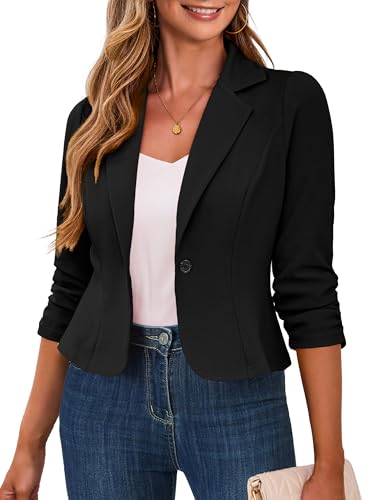
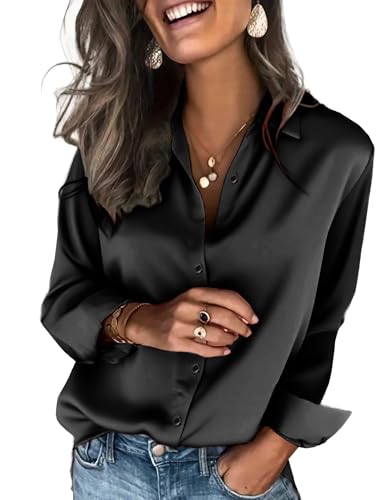
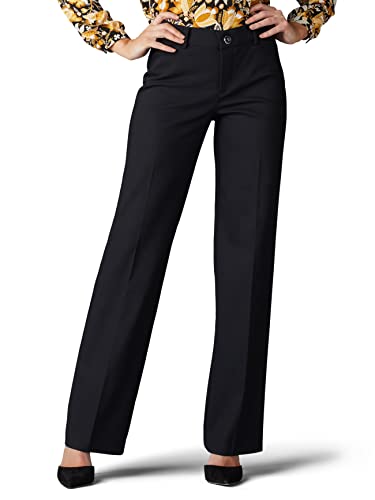
Cold-weather city trip, 7 days (7-piece tier): A charcoal wool-crepe blazer as the centre-piece, a merino turtleneck, a second fine-knit layer in cream, tailored wool trousers, a midi skirt in a wrinkle-resistant ponte knit, a slip dress in washable silk for evenings, and a long wool-blend coat. Fabrics are chosen specifically for how they pack: crepe and ponte resist creasing when rolled, merino compresses without losing shape, and washable silk — the kind covered in our Lilysilk review of blouses and basics — can be hand-washed in a hotel sink and hung dry overnight. Shoe strategy: one leather ankle boot for day, one neutral pump for dinner, both in black or cognac so they cross every outfit.
Warm resort trip, 7 days (7-piece tier): A linen-cotton blend shirt dress as the centre-piece, a silk camisole, wide-leg linen trousers, a lightweight knit cardigan for air-conditioned transit, a second dress in a drapey viscose that resists wrinkling, tailored shorts, and a structured tote that doubles as a daytime bag and beach carryall. Shoe strategy: one leather sandal, one espadrille wedge for evening — again limited to two pairs, in a shared tan or natural palette, so every piece pairs with both.
In each case, the method is less about the number itself and more about choosing a palette and fabric family first, then filling in five, seven, or nine slots. This is the exact exercise Her Capsule Edit walks through chapter by chapter, with eight fully styled outfits already built for you.
What the Guide Adds Beyond This Article
This article gives you the formula, the honest math, and two worked capsules. The guide goes several steps further for readers who want the full system rather than the framework. Her Capsule Edit is a 37-page PDF, delivered as an instant download with lifetime updates, covering twelve chapters from the philosophy of a capsule wardrobe through to a 30-day style reset. It includes eight fully styled outfits for office, evening, and travel with every piece sourced and linked, a shopping edit across three budgets in US dollars, the Tailor's Manifesto on the six alterations worth paying for and what they should cost, the Boardroom Decoder for dress codes across banking, Big Law, consulting, private equity, and tech, the Cost-Per-Wear Edit for avoiding expensive mistakes, and a chapter on skincare essentials alongside the full 5-7-9 travel capsule formula worked out in detail.
Shopping List: Building Your 5-7-9 Capsule
- Etiennette Blazer in Good Wool in Charcoal Melange
- Turtleneck Sweater in Regal Wool in Black
- tailored wool trousers in neutral grey
- Paneled Ponte Pull-On Midi Skirt - Banana Republic
- 100% Washable Silk Slip Dress
- Uaneo Women's Oversized Wool Blend Coat Long Winter Pea Coat
- Ankle Boot in Smooth Leather
- Miu Miu Women's Leather Woven Pointed Toe Pumps
- 100% European Linen Shirt Dress
- Lovely Short Silk Camisole Set
- High-Waist Wide-Leg Pant in Good Linen
- Slim Cardigan in Ribbed Cotton
- Women's Leather Flat Sandals Dressy Trendy Fashion 2026 ...
- Buy Georgia Suede Espadrille Wedge Sandals for USD 245.00
- Leather Circle Tote Bag
FAQ
Is there a free 5-7-9 packing method capsule wardrobe PDF? Free printable checklists under this name circulate on Pinterest and travel blogs, and most simply list garment counts without explaining the outfit math or fabric reasoning behind them. This article gives you the full framework and instructions at no cost; the Her Capsule Edit guide includes a more developed version of the 5-7-9 travel capsule formula as one chapter among twelve, for readers who want it folded into a complete system.
How does the 5-7-9 method compare in review to the Sudoku grid? Both are useful, but they solve different problems. The Sudoku grid is a fixed nine-piece formula best suited to a single-climate trip of about a week. The 5-7-9 method is better described as an instruction set, since it tells you how to adjust your count as your trip gets longer or shorter, which the grid does not do.
What is the Sudoku packing method for summer trips specifically? For warm-weather travel, the Sudoku approach usually swaps one of the three "layers" for a swim cover-up or light cardigan, since outerwear matters less. It still caps out around 13–14 real outfits by the same honest math shown above, not the 27 sometimes claimed.
Does the 5-7-9 method work for a 14-day trip without checking a bag? Yes, provided you plan one laundry cycle around the midpoint. Nine garments plus three pairs of shoes, refreshed once by hand-washing or hotel laundry, comfortably covers two weeks for most climates.
Conclusion
The 5-7-9 packing method earns its place over a fixed grid because it answers the question other formulas ignore: what changes when your trip gets longer. Five pieces for a short trip, seven for a week, nine for two — each tier built from a shared palette, two pairs of shoes, and fabrics chosen to survive a suitcase. The real outfit count is more modest than some headlines suggest, but the method still gets you dressed, every day, out of a case you can carry on. If you want the fully built version of this system, with styled outfits and sourcing done for you, Her Capsule Edit is the next step — and if you are still deciding which pieces are worth packing in the first place, the quiet art of a luxury capsule wardrobe is a good place to begin.
This post contains affiliate links. We may earn a commission at no extra cost to you.