Quick answer
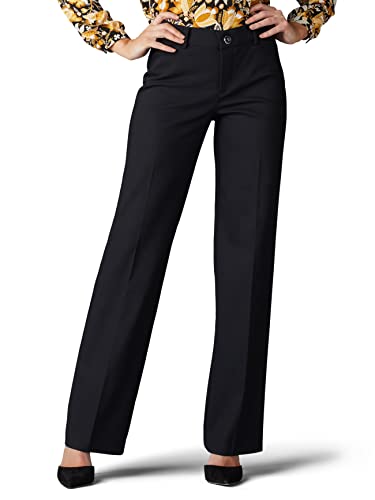
The best trousers for professional women are made from at least 90% wool or a wool-blend with structure and drape, sit at a mid or high rise, and are cut in a straight, wide, or tapered leg depending on your office's dress code and your proportions. Build a capsule of four to six pairs in navy, charcoal, black, and camel before adding trend colors.
Last updated: this guide is reviewed and refreshed quarterly to keep pricing, availability, and brand details current.
Why Most "Best Trousers" Lists Don't Hold Up
Search "best trousers for professional women" and you'll find a lot of enthusiasm and very little substance. Lists swap in trend-of-the-moment picks with no fabric detail, no rise or inseam numbers, and pricing that's often a year out of date. If you've ever scrolled a best trousers for professional women reddit thread, you've probably noticed the same frustration from real women: everyone has an opinion, but almost nobody tells you the wool percentage, how the trouser holds up after an eight-hour day, or whether the inseam actually works if you're 5'2" or 5'9".
This guide is built differently. We evaluate trousers the way a tailor would — construction, fabric weight, lining, crease retention — and then match those options to dress-code tiers and body proportions, with real inseam and rise numbers. We've also built a comparison table of the trousers worth investing in, from Toteme to Massimo Dutti, so you can see price, fabric, fit, and care side by side before you buy.
What Makes a Trouser Office-Worthy: Construction and Fabric
If you're asking what kind of pants should I buy for professional setting, the honest answer starts with what's in the fabric, not what's on the hanger.
Wool content. A trouser that's 100% wool or a high-wool blend (90%+ wool with a touch of elastane for recovery) will drape better, resist shine, and hold a crease longer than a poly-dominant fabric. Pure polyester trousers are cheaper and more wrinkle-resistant in humidity, but they tend to look flat under office lighting and can develop a sheen at the knee and seat within a season of regular wear. A wool-elastane blend (around 95/5 or 97/3) gives you the drape of wool with enough stretch to move through a full day of meetings.
Fabric weight. Mid-weight wools (around 280–320 gsm) are the sweet spot for year-round office wear — heavy enough to hold a pressed crease and tailor cleanly, light enough not to feel like a winter suit in June. Anything under 220 gsm tends to wrinkle visibly by afternoon.
Lining. A half-lined or fully lined trouser (through the seat and upper leg, at minimum) will resist bagging at the knee far better than an unlined pair, and it makes the fabric feel more substantial against the skin. If a product page doesn't mention lining at all, assume there isn't one.
Crease and wrinkle recovery. This is the single best indicator of a trouser's actual office performance, and it's the detail almost no other guide tests for. Sit in the trousers for a full workday — at a desk, in a car, on a flight — and check two things at 5pm: does the front crease still read as a crisp line, and does the fabric spring back when you stand up, or does it hold the sit-wrinkle across the lap? Wool and wool-blends recover; cotton-poly blends usually don't.
Waistband and seam allowance. A curved, interior waistband (rather than a straight strip of fabric) sits better under a blouse or blazer and won't gap at the back. Check seam allowances too — a trouser with generous allowance at the waist and hem (look for "can be let out" in the product description, or ask before buying from a boutique) is worth paying more for, because it can be altered as your body or your preferred rise changes, which matters more than most buyers realize until the first alteration bill.
Matching Trousers to Your Dress Code
Not every office needs the same trouser, and this is where most guides stop short. Here's how dress-code tiers should actually inform your leg shape and fabric choice.
Boardroom / formal corporate. Straight or slim-straight leg, mid-to-high rise, in a structured wool with a sharp pressed crease. Charcoal, navy, and black read as most authoritative. Avoid anything with visible stretch shine or a soft, unstructured drape — in this tier, structure signals seniority.
Business casual. This is the tier most professional women actually dress for day to day, and it's also the most flexible. Business casual pants woman style works best in a slightly relaxed straight leg or a tapered trouser with a soft wool or wool-blend fabric — polished but not stiff. Camel, navy, and soft grey work well here, and you can introduce a wide-leg trouser if your office leans creative-adjacent.
Creative office. Wide-leg and relaxed-tailored trousers have the most room to breathe here, and they photograph beautifully with a fitted knit or a tucked blouse. If this is your environment, our guide to styling wide-leg trousers for work goes deeper into proportions, shoe pairings, and how to keep a wide leg from reading as casual.
One clarification worth making explicitly: if you landed here searching women's construction work pants, you're likely looking for durable workwear for a physical job site, not office tailoring — those trousers prioritize reinforced knees, tool pockets, and ripstop or canvas fabric rather than drape and crease, and they sit in a completely different category from what this guide covers.
What Are the Most Flattering Trousers for Women? A Proportions Matrix
Flattering is proportional, not universal. Use rise and inseam as your starting point, then adjust leg shape to your frame.
Petite (5'3" and under). Choose a high rise (sitting at or just above the natural waist) with a straight or slightly tapered leg, and have the inseam hemmed to break just above the shoe — roughly a 27–29" inseam before alteration. Avoid extreme wide-leg cuts unless you're having them shortened; excess fabric pooling at the ankle shortens the leg line visually.
Average height (5'4"–5'7"). The most versatile zone — mid-to-high rise works with nearly every leg shape, and a 30–31" inseam typically needs minimal alteration. This is where a wide-leg or straight trouser both work well, depending on dress code.
Tall (5'8" and up). A longer inseam (32–34") in a straight or wide leg elongates proportionally rather than looking too short, and a slightly lower or natural rise can prevent the torso from looking compressed. Tapered trousers can read as slightly cropped on taller frames unless specifically hemmed longer.
Curvier hips and thighs. A straight leg with a bit of structure through the fabric (rather than a clingy stretch-heavy blend) skims rather than clings. A wide-leg trouser with a defined waistband is also flattering, as it balances the hip without adding bulk.
Straighter frames. Wide-leg and relaxed-tailored cuts add shape and movement; a very slim trouser can read as flat without a fitted blazer to create a waist.
If you're rebuilding your trouser capsule after years in a single corporate uniform — a situation we hear about often from women asking about the best trousers for professional women over 50 — proportions and fabric choices tend to matter even more, since bodies and preferred rise shift over time. Our capsule wardrobe guide for women over 50 covers how to edit two decades of office pants down to the handful that still work.
The Investment Trouser Comparison Table
Here's how ten of the most-searched women's work trousers actually compare on the details that matter — fabric, fit, and care — not just price.
| Brand | Price (USD) | Price (GBP) | Fabric | Rise | Inseam Options | Leg Shape | Size Range | Care |
|---|---|---|---|---|---|---|---|---|
| Toteme | $530 | £420 | 100% wool | High | 30", 32" | Straight | 34–42 (EU) | Dry clean only |
| The Row | $990 | £790 | 98% wool, 2% elastane | Mid-high | 30", 32", 34" | Wide-leg | 00–14 | Dry clean only |
| Max Mara | $495 | £395 | 100% virgin wool | High | 29", 31" | Tapered | 2–18 | Dry clean only |
| Theory | $255 | £205 | 90% wool, 8% nylon, 2% elastane | Mid | 28", 30", 32" | Straight | 00–14 | Dry clean recommended |
| Joseph | $420 | £335 | 97% wool, 3% elastane | High | 30", 32" | Slim-straight | 36–44 (FR) | Dry clean only |
| Victoria Beckham | $590 | £470 | 100% wool | Mid | 32" (hemmable) | Wide-leg | 2–16 | Dry clean only |
| Loro Piana | $1,450 | £1,150 | 100% wool (lightweight) | Mid-high | 30", 32" | Straight | 36–44 (IT) | Dry clean only |
| COS | $135 | £105 | 70% wool, 27% polyester, 3% elastane | Mid | 30", 32" | Straight | 32–46 (EU) | Dry clean recommended |
| Massimo Dutti | $120 | £95 | 95% wool, 5% elastane | High | 29", 31" | Tapered | 34–44 (EU) | Dry clean only |
| Reiss | $230 | £180 | 55% wool, 45% polyester | Mid | 30", 32" | Wide-leg | 4–16 | Dry clean recommended |
A note on the table: wool percentage above 90% generally signals better drape and recovery, but blends with a small amount of elastane (2–5%) tend to resist wrinkling slightly better over a 10-hour day without sacrificing the wool look. The mid-tier options here, COS and Massimo Dutti, offer genuinely comparable wool content to pieces costing three times as much, which is worth knowing if your budget sits below the investment tier.
Capsule Logic: How Many Pairs, Which Colors First, and Cost-Per-Wear
Most women don't need twelve pairs of work trousers. They need four to six, chosen deliberately.
Start with navy and charcoal. These two colors pair with nearly every blazer, blouse, and shoe you already own, and they're the least likely to show wear or fading under office lighting. Add black third — it's slightly less versatile with warm-toned pieces than navy or charcoal, but essential for formal days. Camel comes fourth, as a lighter, business-casual-leaning neutral that works especially well in a creative office.
Cost-per-wear math favors investment pieces, with a caveat. A $500 pair of wool trousers worn twice a week for three years (roughly 300 wears) costs about $1.67 per wear. A $120 pair that pills, loses its crease, and gets replaced after eight months of the same wear frequency (roughly 65 wears) costs closer to $1.85 per wear — and looks worse doing it. The investment case holds, but only if the fabric and construction genuinely support that lifespan, which is exactly why the wool percentage and lining details in the table above matter more than the price tag alone.
Rotate, don't rush. Four well-chosen pairs in a quality fabric, worn in rotation and pressed regularly, will outlast and outperform ten pairs bought on sale. If you want the full reasoning behind capsule sizing — including how trousers fit into a broader rotation with blazers and knitwear — Her Capsule Edit is a 37-page style guide covering exactly this, with 8 fully styled outfits for office, evening, and travel, every piece sourced and linked; it's an instant download with lifetime updates included.
If your job has you living out of a suitcase, trousers also need to earn their place for a different reason — they have to pack without creasing and work across several outfit changes. Our guide to work outfits for women who travel weekly covers which fabrics and cuts actually survive a carry-on.
Shopping List
- Ultra High-Rise Modern Straight Italian Lightweight Wool Pant
- Barrel Trouser Pant In Wool Blend For Women
- Wide Leg Trouser in Seasonless Wool
- camel wool-blend tapered trousers
- Ultra High-Rise Modern Straight Italian Lightweight Wool Pant
- Good Wool High-Waist Wide-Leg Pant
- slim-straight business casual wool-blend pants
- machine-washable work trousers for office
FAQ
What are the best office trousers for women? The best office trousers are wool or high-wool-blend, lined through the seat, and cut to match your office's dress code — straight or slim-straight for formal corporate, relaxed straight or wide-leg for business casual and creative offices.
What are the best work trousers for women? If "work" means office tailoring, look for 90%+ wool, mid-weight fabric, and a rise and inseam matched to your height. If you mean manual or trade work, you want reinforced women's construction work pants in canvas or ripstop fabric, which prioritize durability over drape.
What are the most flattering trousers for women? There's no single answer — it depends on height and proportion. High-rise, straight-leg trousers are generally the most flattering starting point for petite frames, while longer inseams and wide or straight legs suit taller frames best.
What kind of pants should I buy for a professional setting? Start with one navy and one charcoal pair in a wool or wool-blend fabric, cut to your dress code tier, before expanding into black, camel, or trend colors.
Can trousers be machine washed? Most wool and wool-blend office trousers should be dry cleaned to preserve the crease and prevent shrinkage; only specific polyester-blend or washable-wool trousers (clearly labeled as such) are machine-wash safe.
Final Thought
The right trousers aren't the ones with the most reviews or the flashiest price point — they're the ones whose fabric, rise, and leg shape actually match how and where you work. Build from navy and charcoal outward, judge quality by wool content and recovery rather than branding alone, and you'll end up with a trouser capsule that looks sharp at 9am and still does at 6pm.
This post contains affiliate links. We may earn a commission at no extra cost to you.