Quick answer
A winter commuter capsule works as four layers — a moisture-wicking base, an insulating mid-layer, weatherproof outerwear, and a footwear swap — so you're warm on a freezing platform and comfortable in an overheated office. Build it from 10 to 12 pieces chosen for fabric weight and construction, not brand, so the system holds up in mild and severe climates alike.
The problem no seasonal roundup solves
Most advice on winter capsule wardrobe essentials treats cold weather as a styling problem: here are ten sweaters, here is a coat, good luck. It rarely addresses the actual logistics of a cold-weather commute, where you need to be warm enough at 7:40am on an open platform, cool enough by 9:15 in a heated office, and dry enough by 6pm walking home through slush. That requires a system, not a list — four layers that work together and come apart in seconds, each one doing a specific job.
This guide is organized by layer rather than by item, because the layer is what actually determines whether you arrive looking composed or looking like you've fought the weather and lost. Within each layer, we'll cover the fabric and construction details that separate a piece that lasts five winters from one that pills and sags by January, along with an investment pick and a value pick for each, so you can see where your money is genuinely working and where it isn't.
Layer One: the base layer, or what touches skin
The base layer's only job is moisture management. In a commute that swings between freezing air and an overheated train carriage, you sweat and then chill rapidly if the fabric holds that moisture against your skin — which is why cotton is the wrong choice here, despite being the default in most wardrobes.
Merino wool (17.5–19 microns, 180–200gsm for a commute-weight top) wicks moisture while staying warm when damp, and resists odor well enough to wear twice between washes. Silk base layers are lighter and better suited to milder climates or layering under tailoring where bulk matters more than raw warmth. Synthetic base layers (polyester/elastane blends) wick fastest and cost least, but trap odor and generally need replacing after one or two winters of regular wear.
- Investment: SHEEP RUN 100% Merino Wool Women's Base Layer Wicking ... — around $110, worn twice weekly across five winters, roughly $0.22 per wear.
- Value: Ecoable Women's Merino Wool Thermal Base Layer Top — around $35, typically replaced after two winters, closer to $0.35–0.40 per wear once you factor in the shorter lifespan.
The merino option wins on cost-per-wear despite the higher sticker price, which is the pattern that repeats through this whole capsule.
Layer Two: the insulating mid-layer
This is where most winter capsule wardrobe essentials guides stop at "buy a cashmere sweater" without explaining what actually makes one worth owning. Two numbers matter: ply and gauge. Ply refers to how many strands of yarn are twisted together — two-ply cashmere is warmer and more durable than single-ply, which pills faster and loses shape. Gauge refers to knit density; a 12-gauge knit is finer and better suited to layering under a coat than a bulky 5-gauge version that adds unwanted volume.
Grade-A cashmere comes from the softer underdown of the goat's first shearing and holds its shape for years; recycled cashmere, often blended with wool or acrylic, is a reasonable value option but pills faster and loses loft within one to two seasons.
- Investment: Mongolian Cashmere Crewneck Sweater — around $250, worn weekly across five winters, roughly $1 per wear.
- Value: Recycled Wool-Cashmere V-Neck Sweater — around $70, typically lasting two winters at that frequency, closer to $0.65 per wear — genuinely competitive, which is why the mid-layer is a reasonable place to save if your budget is tight.
For colder commutes, add a fine-gauge wool turtleneck as a second mid-layer option underneath the sweater on the worst days; it's the detail that makes the difference between tolerable and miserable on an exposed platform. If you're curious how this mid-layer fits into a broader rotation, the 10-piece capsule closet guide for career women covers how a handful of knitwear pieces can carry an entire work wardrobe.
Layer Three: outerwear — wool or down
Outerwear is the one piece worth splurging on, and the composition label tells you why. Wool coats under 70% wool content — common in fast-fashion "wool-blend" coats around 50% wool, 50% polyester — lose their shape within a season and don't hold heat the way a genuine wool or wool-cashmere coat does. Look for 80%+ wool, or a wool-cashmere blend, with a full canvas or half-canvas construction that gives the coat structure rather than relying on fusible interfacing that bubbles after dry cleaning.
Down is the better choice for genuinely cold, wet climates. Fill power measures loft and warmth-to-weight ratio: 600–650 fill is adequate for mild cold, while 700–800+ fill gives serious warmth without the bulk that makes you look swallowed by your coat on a crowded train.
- Investment wool coat: Long Double Breasted Coat in Cashmere — around $1,200, worn through five winters at roughly three times a week, landing near $7–8 per wear.
- Value wool coat: Wool Blend Wrap Coat Women's Superior 70% Wool Coat, Classy ... — around $300, typically needing replacement after two winters, closer to $5–6 per wear once the shorter lifespan is factored in.
- Severe-climate addition: 700 fill power down coat with wool collar — around $450, a genuinely useful second coat for anyone commuting through snow rather than drizzle.
For the accessories that finish this layer — scarves, gloves, the kind of leather gloves that don't bulk up under a coat sleeve — the autumn and winter staples roundup goes deeper into seasonal picks than we have room for here.
Layer Four: the footwear swap strategy
Footwear is the layer that gets ignored until it ruins an outfit. The honest solution for a cold-weather commute is two pairs: a genuinely weatherproof boot for the walk and transit, and an office-appropriate shoe that lives in a tote or under your desk.
Construction matters more than style here. A Goodyear welt — where the upper, insole, and outsole are stitched together through a welt strip — can be resoled repeatedly and holds up to years of salt and slush; a Blake stitch is sleeker and more flexible but less weather-resistant and harder to resole. Cemented construction, common in fast fashion, can't be resoled at all and typically fails within a season of winter wear.
- Investment: Goodyear welted leather ankle boots, weatherproofed — around $400, resoled once or twice, lasting eight-plus winters, under $2 per wear.
- Value: Chaoslook Womens Snow Boots with Zipper Waterproof Leather Fur Lined ... — around $140, lasting two to three winters with careful care, closer to $2.50–3 per wear.
- Office swap: Freeberry Women's Comfortable Leather Penny Loafers Slip On ... — the dry pair that goes on once you're past the slush.
Climate variant: mild versus severe winters
A London-style mild winter (average lows around 2–5°C) and a Nordic or Northeastern US winter (routinely below -10°C) don't need the same capsule, and pretending otherwise is where a lot of winter capsule wardrobe checklist 2026 content falls short.
For mild climates: one merino base layer, one cashmere mid-layer, one wool coat, and weatherproof ankle boots cover nearly every day, with a lightweight scarf handling the rest.
For severe climates: add the second base layer (merino leggings under trousers), a fine-gauge wool turtleneck as a second mid-layer, swap or add the 700+ fill down coat for the coldest weeks, and upgrade gloves to a lined leather pair with touchscreen fingertips. The core ten pieces stay the same — you're adding two or three items, not rebuilding the capsule.
The splurge-versus-save comparison table
| Piece | Investment price | Value price | Cost-per-wear (investment) | Splurge or save |
|---|---|---|---|---|
| Merino base layer top | $110 | $35 | $0.22 | Save is fine |
| Cashmere mid-layer sweater | $250 | $70 | $1.00 | Save is fine |
| Wool tailored coat | $1,200 | $300 | $7–8 | Splurge |
| Down coat (severe climate) | $450 | $150 | $2–3 | Splurge if needed |
| Leather boots | $400 | $140 | $1.80 | Splurge |
| Office loafers | $300 | $90 | $3 | Save is fine |
| Cashmere scarf | $140 | $40 | $0.70 | Save is fine |
Buy in this order: boots first, coat second, then fill in the mid and base layers as budget allows. Boots and coats are the two pieces where poor construction shows fastest and costs you the most in replacements, so they're also the two pieces a style guide is worth consulting on before you buy, since fit and proportion errors there are the hardest to fix after the fact.
The outfit matrix: how many looks ten pieces produce
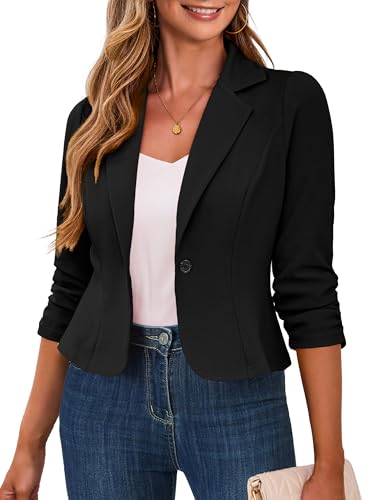
A fixed 10-piece capsule — two base layers, two mid-layers, one tailored coat, one down coat for severe weeks, boots, loafers, a scarf, and a bag — produces roughly 24 distinct outfit combinations once you factor in trouser and skirt pairings from an existing work wardrobe, without ever repeating the exact same combination twice in a fortnight. That's the kind of math a minimalist winter capsule wardrobe should be able to show, not just promise.
A sample week:
- Monday: merino base + cashmere crewneck + wool coat + boots, swap to loafers at the desk
- Tuesday: silk base + wool turtleneck + wool coat + boots
- Wednesday: merino base + cashmere crewneck + down coat (cold snap) + boots
- Thursday: merino base + wool turtleneck under cashmere + wool coat + boots
- Friday: silk base + cashmere crewneck + wool coat + loafers (dry forecast, no boot swap needed)
Anyone who has read through winter capsule wardrobe essentials reddit threads will recognize the pattern: it's not about owning more, it's about owning pieces that combine cleanly. Readers building a women's winter capsule wardrobe over 50 often ask whether the system changes with age, and the honest answer is no — the layering logic is identical, though the capsule wardrobe guide for women over 40 is worth a look for guidance on cut and proportion as they shift over time.
Care and storage: making the investment last
- Cashmere: hand wash or use a wool cycle in cold water, lay flat to dry, and store folded rather than hung to avoid stretching. Use a fabric shaver to de-pill every few wears rather than waiting for it to look worn.
- Moth prevention: store knitwear in breathable cotton garment bags, not plastic, with cedar blocks rather than mothballs, and wash pieces before summer storage since moths are drawn to body oils, not just fiber.
- Wool coats: brush after each wear to lift surface dirt, dry clean sparingly (once or twice a season at most), and store on a wide hanger to preserve shoulder shape.
- Leather boots: reproof suede with a protective spray before the first snow of the season, and resole Goodyear-welted boots at the first sign of outsole wear rather than waiting for the welt itself to fail.
- Down coats: spot clean where possible; when a full wash is needed, use a down-specific detergent and tumble dry on low with clean tennis balls to restore loft.
Winter capsule wardrobe checklist 2026
- Merino wool base layer top
- Merino or silk base layer leggings (severe climate)
- Cashmere crewneck sweater
- Fine-gauge wool turtleneck
- Wool tailored long coat
- 700+ fill down coat (severe climate addition)
- Goodyear-welted leather ankle boots
- Leather loafers for the office
- Cashmere scarf
- Lined leather gloves
- Structured leather tote or crossbody bag
- Thermal tights or merino socks
Frequently asked questions
How many pieces does a winter capsule wardrobe actually need? Ten core pieces cover most mild-to-moderate winters; add two for severe cold (a second base layer and a down coat), bringing the total to twelve without duplicating function.
Is cashmere worth it for a work wardrobe? Grade-A two-ply cashmere costs more upfront but wins on cost-per-wear within two seasons compared with recycled blends, provided it's cared for properly and stored against moths.
Wool coat or down coat for commuting? Wool suits tailoring and most urban winters; down suits genuinely cold, wet climates where warmth-to-weight ratio matters more than silhouette. Many commuters own both and rotate by forecast.
How do I avoid looking bulky layering for a commute? Keep the base layer close-fitting and thin, size the mid-layer to sit under the coat without strain, and save bulk for outerwear only — that's where insulation is allowed to add visible volume.
What's different about building this for 2026 or 2027? Little, by design. A system built on fabric weight and construction rather than trend stays relevant whether you're shopping for winter capsule wardrobe 2026 or thinking ahead to winter capsule wardrobe 2027 — the fundamentals of welts, ply, and fill power don't expire.
The last word
A winter commute is a daily negotiation between three climates — outdoors, transit, and office — and the wardrobe that handles it well isn't the one with the most pieces, but the one built in layers that come apart and go back together without a second thought. Start with boots and a coat, since those are the two pieces where construction quality is both most visible and most expensive to get wrong, then fill in the base and mid-layers at whatever price point your budget allows. For a deeper walk-through of how these pieces combine into full outfits for the office, evening, and travel, Her Capsule Edit lays out eight styled looks with every piece sourced and linked, alongside the philosophy behind building a capsule that lasts beyond one season.
This post contains affiliate links. We may earn a commission at no extra cost to you.